Life of Cell
GBP 16,90
Format: 13.5 x 21.5
Number of Pages: 122
ISBN: 978-3-7116-0898-7
Release Date: 13.11.2025
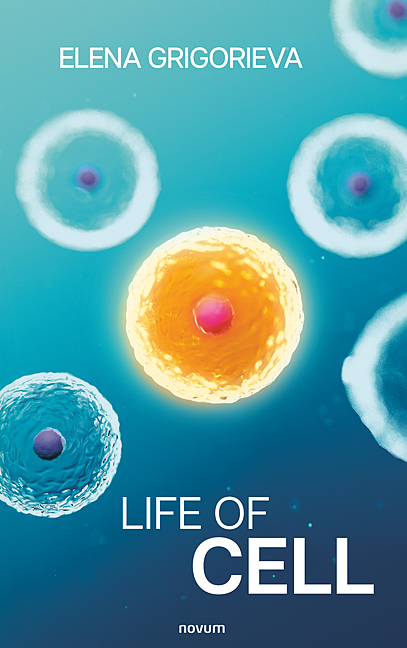
Join Cell on her life’s journey within the human body and discover and explore the vast range of processes that are necessary to ensure her survival and proliferation, as well as consolidating the ongoing process in a human’s development.
Introduction
Every living organism on Earth, from simple bacteria to complex eukaryotic organisms, is made up of a fundamental structural unit of life–the cell. The life of every cell is governed by the principles that have been established over 3.5 billion years ago. These principles are based on the relationships between three different types of molecules such as deoxyribonucleic acid (DNA), ribonucleic acid (RNA), and protein. Specifically arranged sequences of nucleotides in the DNA molecule compose various genes, which are selectively used as templates, or transcribed, in the synthesis of RNAs. Messenger RNAs (mRNAs) are then used (translated) in the synthesis of proteins which are responsible for the structure and function of the whole cell. Various other molecules, which are contained in the cell and involved in its vital processes, are mainly the products of biochemical reactions catalysed by protein enzymes.
Scientists investigate different molecular processes that take place inside the cells of living organisms, and aim to find answers to such questions as: How do cells regulate thousands of chemical reactions which provide them with essential energy and building blocks? How do cells build up and maintain their structure and adapt to different environmental conditions? How do cells become different from other cells and specialise for specific functions? How do cells communicate with other cells, and how do they reproduce?
The current research in biomedical sciences aims to find out what genetic information is encoded in the human genome, and how cells of a human organism interpret and use this information. One of the goals of this research is to find ways to treat various genetic disorders and diseases; among the new approaches are gene editing and gene therapy.
As has been estimated, the human genome contains around 20,000 different protein-coding genes, but the variety of functional proteins is much bigger due to the alternative splicing of mRNA primary transcripts and post-translational modifications. So to elucidate the biological roles of all human genes and their protein products is a very challenging and important task. The aim of this book is to give everyone who is interested in these questions a general view of the life processes that take place inside the cells of a human organism, and to outline the major biological roles of human genes and gene products.
Here is the story of the life of one of the human embryonic cells.
The Birth of Cell
So it’s happened. She has been born. Her name is Cell. She is the offspring of a human fertilised egg (a diploid zygote) that has undergone mitotic division and produced two daughter cells. Cell and her sister (another cell) have inherited the same number of chromosomes with the DNA carrying the genetic information which they will use during their lifetime. Each of them has got forty-six chromosomes, of which twenty-three are from the haploid egg of their mother, and the other twenty-three are from the sperm cell of their father.
Although Cell and her sister have the same sets of chromosomes, Cell will use the genetic information encoded in these chromosomes in her own way. This will depend on the signals from the external environment, her internal settings, and the availability of nutrients and oxygen needed for Cell’s life.
Together with the chromosomes, Cell has inherited half of the egg’s cytoplasm, which contains all essential structures, such as the ribosomes, endoplasmic reticulum, Golgi apparatus, mitochondria, lysosomes, peroxisomes, microtubules, and microfilaments. There are also nutrient-storing vesicles and granules, which provide Cell with the sufficient amount of energy required for vital processes.
The cytoplasm of Cell contains a number of important molecules, including certain protein enzymes (e.g., proteases), transcription factors (e.g., HMG box transcription factors, and steroid hormone receptors), and several morphogenetic factors (e.g., the regulators of cyclin, and the mitosis-promoting factor). There are also mRNAs for the synthesis of proteins such as actins and tubulins, to mention a few.
In general, Cell has got everything that is necessary to sustain her life, to get ready for reproduction, and, most importantly, to initiate the genetic programmes which will lead to the development of a new human organism through the process of embryogenesis.
Being the first product of the zygote’s division, Cell has a pivotal mission. The success of the development of the future human organism will depend on how she will maintain her lifestyle and give rise to her offspring. Among the inherited chromosomes, Cell has got a pair of sex chromosomes, both of which are X chromosomes. It means that the embryo will develop into a female human organism.
The Functions of Cell
There are several important tasks that Cell has to do immediately. At first, she must build up the nuclear envelope and organise a proper nucleus. The nuclear envelope should comprise highly specialised protein complexes, called the nuclear pores, which are used for the selective passage of different molecules into and out of the nucleus. The structure of the nuclear envelope is very important because it allows Cell to carefully control and regulate the usage of genetic information.
Cell begins to uncoil some sites of inactive chromatin (her DNA molecules have been compactly packed as chromatin by proteins called histones) in order to allow certain transcription factors to perform their specific functions in gene transcription. Such work is initiated by certain histone-modifying enzymes and HMG box transcription factors, which Cell has acquired from the zygote. HMG proteins function both as classical transcription factors and architectural components of chromatin. HMG protein-mediated conformational change in the DNA promotes the interaction and recruitment of other proteins to their target sites. Among such proteins are steroid hormone receptors, which belong to a large and diverse group of nuclear receptors (NRs). NRs and their co-regulators are key players that provide the transcriptional control of energy homeostasis, i. e., the balanced regulation between energy intake, storage, and expenditure. NRs regulate the expression of genes involved in different metabolic processes, including lipid, carbohydrate, and salt homeostasis.
Cell activates the synthesis of certain proteins involved in DNA replication, and prepares for her own mitotic division. In particular, Cell increases the amount of proteins called cyclins and cyclin-dependent kinases (CDKs), which initiate DNA replication.
Cell produces more proteins involved in the formation of her cytoskeleton, which is a network of actin microfilaments, intermediate filaments, and tubulin microtubules. Cytoskeletal proteins are very important as they are responsible for the shape of Cell’s body and spatial organisation of the intracellular components. These proteins enable attachments of Cell’s outer membrane (the plasma membrane) to other cells or the extracellular matrix, provide movements of various molecules inside Cell, and also form the mitotic spindle, which separates the newly formed chromosomes during cell division.
The plasma membrane of Cell has numerous microvilli and comprises various proteins that function as ion channels, carriers, and ATP-driven transporters. These proteins are responsible for membrane permeability, i. e., they allow the passage of different molecules into and out of Cell.
Many other proteins located within the plasma membrane form various receptors which are used by Cell for communications with other cells and the environment. As a rule, the binding of a specific molecule (ligand) to a receptor protein initiates a cascade of intracellular signal transduction events which control the activity of transcription factors and enzymes, or the localisation of intracellular elements. The activated transcription factors and enzymes enter the nucleus and initiate the synthesis of mRNAs from target genes. The mRNAs are then transported through the nuclear pores out of the nucleus and delivered to the ribosomes, where they are used for the synthesis of proteins. Some of the newly synthesised proteins are modified by the enzymes of the endoplasmic reticulum, sorted in the Golgi apparatus, and carried by vesicles to their destination sites, where they execute their biological roles.
The main task of Cell is to reproduce as soon as possible. There is no time to grow and differentiate. In just several hours after her birth, Cell (as well as her sister) should be ready to undergo a mitotic division and produce two daughter cells, which, in turn, should also reproduce without any delay. Their descendants will form a compact spherical mass, called the morula, covered by the zona pellucida (a protective layer that surrounds the zygote). The morula will have the size of the zygote. The newly formed cells will become smaller and smaller with each division (such kind of cell division is called cleavage). The morula will divide into two parts: the trophoblast and the inner cell mass, or embryoblast, and a fluid-filled cavity will develop inside it. The whole structure is called the blastocyst. At this stage (four to five days after the fertilisation of the egg) the implantation of the blastocyst into the uterine wall will occur, and the embryogenesis will proceed for nine months.
So the successful development of the human embryo depends on the life of Cell, her well-being, and the genetic information encoded in her DNA.
Classification of Cell’s Genes According to Their
Biological Roles
Cell’s full name is Eukaryotic Metazoan Chordate Mammalian Human Cell. It means that Cell’s DNA molecules contain genes which have appeared during the long evolutionary history of metazoans or even the first eukaryotic cells. Studies have shown that many of Cell’s genes are analogous (or homologous) to the genes found in the genomes of evolutionary distant metazoan (animal) organisms.
All metazoan cells, although profoundly different from each other, use many similar molecular mechanisms for their metabolism, homeostasis, and reproduction. Comparative morphological studies have shown that evolutionary distant animal species comprise cells which are specialised for the functions that distinguish animals from other multicellular eukaryotic organisms (plants and fungi). Thus, animals (with the exception of sponges) have muscle cells and neurons. Motor neurons instruct muscle cells to contract in response to signals from sensory neurons. The three types of cell (i. e., sensory neurons, motor neurons, and muscle cells) serve mainly to provide the organism with food, which then can be digested and absorbed by specialised cells of the gut. As a rule, animals have cells which are specialised for oxygen supply and gas exchange, and cells which deliver the nutrients and oxygen to every other cell of the organism. There are also cells which are specialised for nitrogenous excretion and osmoregulation, for protection against pathogens, and for reproduction. Finally, all animals have a specialised outer layer of cells (integument or cutis) which protects against harmful effects of the external environment. In the course of animal evolution, there has been a continuous diversification of cell types. However, the major common types of cell have been retained as a characteristic feature of the majority of animal phyla. Moreover, such specialisation of cells for metazoan-specific functions has provided the basis for the development of the main functional systems in complex animals. These functional body systems have the highest level of morphological, physiological, and biochemical complexity in mammals, and can be designated as the integumentary system, the nervous system, the musculoskeletal and support system, the digestive system, the respiratory system, the circulatory and immune system, the excretory system, and the reproductive system. Apparently, the evolutionary changes in animal genomes have been directed towards the differentiation and complication of the main body systems.
The molecular mechanisms of cell diversification are yet to be fully understood. It is thought that among such mechanisms is the appearance of disordered regions in proteins and alternative splicing, which created novel protein interaction domains and motifs. Both splicing and disorder are more common in multicellular eukaryotes than in lower forms of life.
Metazoan cells use different genetic pathways for their specialisation and function. However, there is a common genetic/molecular repertoire for the events that take place in almost all metazoan cells, and which can be described as follows.
The cell rearranges its cytoskeletal filament network in order to provide the movement, extension, or division. The cell establishes specific connections which link its cytoskeleton or provide adhesion to other cells or the extracellular matrix. The cell receives various signalling molecules which bind to specific receptor proteins, thereby promoting receptor activation and/or membrane permeability. This, in turn, initiates downstream signal transduction events which involve intracellular mediators of signal transduction, and which eventually result in the activation of transcriptional regulators. The latter enter the nucleus to regulate the transcriptional machinery, and subsequently the translational apparatus. The newly synthesised proteins are modified in the endoplasmic reticulum, sorted in the Golgi apparatus, and transported by cytoplasmic vesicles to their final destinations, where they carry out specific functions. These may include catalytic activities of the components of different cellular compartments/organelles involved in the metabolic processes which provide the cell with energy and building blocks, or in the processes which lead to cell death, or cell survival, or cell reproduction.
In view of that, Cell’s genes can be distributed into twelve categories, according to their common biological roles. These are: 1) Cytoskeleton; 2) Cell attachments and junctions; 3) Cell communications; 4) Membrane permeability; 5) Intracellular mediators of signal transduction; 6) Transcriptional regulators; 7) Transcriptional machinery and epigenetic modifications; 8) Translational apparatus and protein synthesis; 9) Cellular compartments and metabolism; 10) Cell death mechanisms; 11) Cell protective mechanisms; and 12) Cell reproduction.
Briefly, the categories can be described as follows.
1. Cytoskeleton. This category includes all genes/proteins which form the internal scaffolding in the cell, mediate intracellular filament dynamics, and are responsible for cell shape and integrity.
2. Cell attachments and junctions. This category includes genes/proteins which are involved in cell–cell or cell–matrix adhesion and junction formation.
3. Cell communications. This category comprises all genes coding for proteins which function as receptors and ligands, through which the cell communicates with other cells or with the environment.
4. Membrane permeability. This category includes genes coding for ion channels, carriers, and transport proteins, which provide a selective passage of molecules across external and internal cellular membranes.
5. Intracellular mediators of signal transduction. This category includes genes and gene products which are involved in the transmission of signals from plasma membrane receptors within the cell to modulate the activity of transcription factors and enzymes or the localisation of intracellular elements.
6. Transcriptional regulators. This category includes transcription factors and co-factors which regulate gene expression in response to external and internal signals.
7. Transcriptional machinery and epigenetic modifications. This category includes genes and their products which are involved in the maintenance of chromosome structure, in the conduction of gene transcription, and in the dynamics of RNA.
8. Translational apparatus and protein synthesis. This category includes genes and gene products which are involved in the formation and function of the ribosome, in the translation of mRNA, and in protein synthesis.
9. Cellular compartments and metabolism. This category includes genes and gene products which are involved in the structural organisation and function of various cellular compartments, or organelles, in which nucleotide, amino acid, co-enzyme, carbohydrate, and lipid metabolism is carried out.
10. Cell death mechanisms. This category includes genes and gene products involved in cell death, which may be genetically programmed (apoptosis) or caused by various damaging stimuli (necrosis).
11. Cell protective mechanisms. This category includes genes and gene products which are involved in the defence against stress and damage, DNA repair, protein degradation, immunity, and tissue repair.
12. Cell reproduction. This category includes genes and gene products which are involved in DNA replication and cell division.
...
Every living organism on Earth, from simple bacteria to complex eukaryotic organisms, is made up of a fundamental structural unit of life–the cell. The life of every cell is governed by the principles that have been established over 3.5 billion years ago. These principles are based on the relationships between three different types of molecules such as deoxyribonucleic acid (DNA), ribonucleic acid (RNA), and protein. Specifically arranged sequences of nucleotides in the DNA molecule compose various genes, which are selectively used as templates, or transcribed, in the synthesis of RNAs. Messenger RNAs (mRNAs) are then used (translated) in the synthesis of proteins which are responsible for the structure and function of the whole cell. Various other molecules, which are contained in the cell and involved in its vital processes, are mainly the products of biochemical reactions catalysed by protein enzymes.
Scientists investigate different molecular processes that take place inside the cells of living organisms, and aim to find answers to such questions as: How do cells regulate thousands of chemical reactions which provide them with essential energy and building blocks? How do cells build up and maintain their structure and adapt to different environmental conditions? How do cells become different from other cells and specialise for specific functions? How do cells communicate with other cells, and how do they reproduce?
The current research in biomedical sciences aims to find out what genetic information is encoded in the human genome, and how cells of a human organism interpret and use this information. One of the goals of this research is to find ways to treat various genetic disorders and diseases; among the new approaches are gene editing and gene therapy.
As has been estimated, the human genome contains around 20,000 different protein-coding genes, but the variety of functional proteins is much bigger due to the alternative splicing of mRNA primary transcripts and post-translational modifications. So to elucidate the biological roles of all human genes and their protein products is a very challenging and important task. The aim of this book is to give everyone who is interested in these questions a general view of the life processes that take place inside the cells of a human organism, and to outline the major biological roles of human genes and gene products.
Here is the story of the life of one of the human embryonic cells.
The Birth of Cell
So it’s happened. She has been born. Her name is Cell. She is the offspring of a human fertilised egg (a diploid zygote) that has undergone mitotic division and produced two daughter cells. Cell and her sister (another cell) have inherited the same number of chromosomes with the DNA carrying the genetic information which they will use during their lifetime. Each of them has got forty-six chromosomes, of which twenty-three are from the haploid egg of their mother, and the other twenty-three are from the sperm cell of their father.
Although Cell and her sister have the same sets of chromosomes, Cell will use the genetic information encoded in these chromosomes in her own way. This will depend on the signals from the external environment, her internal settings, and the availability of nutrients and oxygen needed for Cell’s life.
Together with the chromosomes, Cell has inherited half of the egg’s cytoplasm, which contains all essential structures, such as the ribosomes, endoplasmic reticulum, Golgi apparatus, mitochondria, lysosomes, peroxisomes, microtubules, and microfilaments. There are also nutrient-storing vesicles and granules, which provide Cell with the sufficient amount of energy required for vital processes.
The cytoplasm of Cell contains a number of important molecules, including certain protein enzymes (e.g., proteases), transcription factors (e.g., HMG box transcription factors, and steroid hormone receptors), and several morphogenetic factors (e.g., the regulators of cyclin, and the mitosis-promoting factor). There are also mRNAs for the synthesis of proteins such as actins and tubulins, to mention a few.
In general, Cell has got everything that is necessary to sustain her life, to get ready for reproduction, and, most importantly, to initiate the genetic programmes which will lead to the development of a new human organism through the process of embryogenesis.
Being the first product of the zygote’s division, Cell has a pivotal mission. The success of the development of the future human organism will depend on how she will maintain her lifestyle and give rise to her offspring. Among the inherited chromosomes, Cell has got a pair of sex chromosomes, both of which are X chromosomes. It means that the embryo will develop into a female human organism.
The Functions of Cell
There are several important tasks that Cell has to do immediately. At first, she must build up the nuclear envelope and organise a proper nucleus. The nuclear envelope should comprise highly specialised protein complexes, called the nuclear pores, which are used for the selective passage of different molecules into and out of the nucleus. The structure of the nuclear envelope is very important because it allows Cell to carefully control and regulate the usage of genetic information.
Cell begins to uncoil some sites of inactive chromatin (her DNA molecules have been compactly packed as chromatin by proteins called histones) in order to allow certain transcription factors to perform their specific functions in gene transcription. Such work is initiated by certain histone-modifying enzymes and HMG box transcription factors, which Cell has acquired from the zygote. HMG proteins function both as classical transcription factors and architectural components of chromatin. HMG protein-mediated conformational change in the DNA promotes the interaction and recruitment of other proteins to their target sites. Among such proteins are steroid hormone receptors, which belong to a large and diverse group of nuclear receptors (NRs). NRs and their co-regulators are key players that provide the transcriptional control of energy homeostasis, i. e., the balanced regulation between energy intake, storage, and expenditure. NRs regulate the expression of genes involved in different metabolic processes, including lipid, carbohydrate, and salt homeostasis.
Cell activates the synthesis of certain proteins involved in DNA replication, and prepares for her own mitotic division. In particular, Cell increases the amount of proteins called cyclins and cyclin-dependent kinases (CDKs), which initiate DNA replication.
Cell produces more proteins involved in the formation of her cytoskeleton, which is a network of actin microfilaments, intermediate filaments, and tubulin microtubules. Cytoskeletal proteins are very important as they are responsible for the shape of Cell’s body and spatial organisation of the intracellular components. These proteins enable attachments of Cell’s outer membrane (the plasma membrane) to other cells or the extracellular matrix, provide movements of various molecules inside Cell, and also form the mitotic spindle, which separates the newly formed chromosomes during cell division.
The plasma membrane of Cell has numerous microvilli and comprises various proteins that function as ion channels, carriers, and ATP-driven transporters. These proteins are responsible for membrane permeability, i. e., they allow the passage of different molecules into and out of Cell.
Many other proteins located within the plasma membrane form various receptors which are used by Cell for communications with other cells and the environment. As a rule, the binding of a specific molecule (ligand) to a receptor protein initiates a cascade of intracellular signal transduction events which control the activity of transcription factors and enzymes, or the localisation of intracellular elements. The activated transcription factors and enzymes enter the nucleus and initiate the synthesis of mRNAs from target genes. The mRNAs are then transported through the nuclear pores out of the nucleus and delivered to the ribosomes, where they are used for the synthesis of proteins. Some of the newly synthesised proteins are modified by the enzymes of the endoplasmic reticulum, sorted in the Golgi apparatus, and carried by vesicles to their destination sites, where they execute their biological roles.
The main task of Cell is to reproduce as soon as possible. There is no time to grow and differentiate. In just several hours after her birth, Cell (as well as her sister) should be ready to undergo a mitotic division and produce two daughter cells, which, in turn, should also reproduce without any delay. Their descendants will form a compact spherical mass, called the morula, covered by the zona pellucida (a protective layer that surrounds the zygote). The morula will have the size of the zygote. The newly formed cells will become smaller and smaller with each division (such kind of cell division is called cleavage). The morula will divide into two parts: the trophoblast and the inner cell mass, or embryoblast, and a fluid-filled cavity will develop inside it. The whole structure is called the blastocyst. At this stage (four to five days after the fertilisation of the egg) the implantation of the blastocyst into the uterine wall will occur, and the embryogenesis will proceed for nine months.
So the successful development of the human embryo depends on the life of Cell, her well-being, and the genetic information encoded in her DNA.
Classification of Cell’s Genes According to Their
Biological Roles
Cell’s full name is Eukaryotic Metazoan Chordate Mammalian Human Cell. It means that Cell’s DNA molecules contain genes which have appeared during the long evolutionary history of metazoans or even the first eukaryotic cells. Studies have shown that many of Cell’s genes are analogous (or homologous) to the genes found in the genomes of evolutionary distant metazoan (animal) organisms.
All metazoan cells, although profoundly different from each other, use many similar molecular mechanisms for their metabolism, homeostasis, and reproduction. Comparative morphological studies have shown that evolutionary distant animal species comprise cells which are specialised for the functions that distinguish animals from other multicellular eukaryotic organisms (plants and fungi). Thus, animals (with the exception of sponges) have muscle cells and neurons. Motor neurons instruct muscle cells to contract in response to signals from sensory neurons. The three types of cell (i. e., sensory neurons, motor neurons, and muscle cells) serve mainly to provide the organism with food, which then can be digested and absorbed by specialised cells of the gut. As a rule, animals have cells which are specialised for oxygen supply and gas exchange, and cells which deliver the nutrients and oxygen to every other cell of the organism. There are also cells which are specialised for nitrogenous excretion and osmoregulation, for protection against pathogens, and for reproduction. Finally, all animals have a specialised outer layer of cells (integument or cutis) which protects against harmful effects of the external environment. In the course of animal evolution, there has been a continuous diversification of cell types. However, the major common types of cell have been retained as a characteristic feature of the majority of animal phyla. Moreover, such specialisation of cells for metazoan-specific functions has provided the basis for the development of the main functional systems in complex animals. These functional body systems have the highest level of morphological, physiological, and biochemical complexity in mammals, and can be designated as the integumentary system, the nervous system, the musculoskeletal and support system, the digestive system, the respiratory system, the circulatory and immune system, the excretory system, and the reproductive system. Apparently, the evolutionary changes in animal genomes have been directed towards the differentiation and complication of the main body systems.
The molecular mechanisms of cell diversification are yet to be fully understood. It is thought that among such mechanisms is the appearance of disordered regions in proteins and alternative splicing, which created novel protein interaction domains and motifs. Both splicing and disorder are more common in multicellular eukaryotes than in lower forms of life.
Metazoan cells use different genetic pathways for their specialisation and function. However, there is a common genetic/molecular repertoire for the events that take place in almost all metazoan cells, and which can be described as follows.
The cell rearranges its cytoskeletal filament network in order to provide the movement, extension, or division. The cell establishes specific connections which link its cytoskeleton or provide adhesion to other cells or the extracellular matrix. The cell receives various signalling molecules which bind to specific receptor proteins, thereby promoting receptor activation and/or membrane permeability. This, in turn, initiates downstream signal transduction events which involve intracellular mediators of signal transduction, and which eventually result in the activation of transcriptional regulators. The latter enter the nucleus to regulate the transcriptional machinery, and subsequently the translational apparatus. The newly synthesised proteins are modified in the endoplasmic reticulum, sorted in the Golgi apparatus, and transported by cytoplasmic vesicles to their final destinations, where they carry out specific functions. These may include catalytic activities of the components of different cellular compartments/organelles involved in the metabolic processes which provide the cell with energy and building blocks, or in the processes which lead to cell death, or cell survival, or cell reproduction.
In view of that, Cell’s genes can be distributed into twelve categories, according to their common biological roles. These are: 1) Cytoskeleton; 2) Cell attachments and junctions; 3) Cell communications; 4) Membrane permeability; 5) Intracellular mediators of signal transduction; 6) Transcriptional regulators; 7) Transcriptional machinery and epigenetic modifications; 8) Translational apparatus and protein synthesis; 9) Cellular compartments and metabolism; 10) Cell death mechanisms; 11) Cell protective mechanisms; and 12) Cell reproduction.
Briefly, the categories can be described as follows.
1. Cytoskeleton. This category includes all genes/proteins which form the internal scaffolding in the cell, mediate intracellular filament dynamics, and are responsible for cell shape and integrity.
2. Cell attachments and junctions. This category includes genes/proteins which are involved in cell–cell or cell–matrix adhesion and junction formation.
3. Cell communications. This category comprises all genes coding for proteins which function as receptors and ligands, through which the cell communicates with other cells or with the environment.
4. Membrane permeability. This category includes genes coding for ion channels, carriers, and transport proteins, which provide a selective passage of molecules across external and internal cellular membranes.
5. Intracellular mediators of signal transduction. This category includes genes and gene products which are involved in the transmission of signals from plasma membrane receptors within the cell to modulate the activity of transcription factors and enzymes or the localisation of intracellular elements.
6. Transcriptional regulators. This category includes transcription factors and co-factors which regulate gene expression in response to external and internal signals.
7. Transcriptional machinery and epigenetic modifications. This category includes genes and their products which are involved in the maintenance of chromosome structure, in the conduction of gene transcription, and in the dynamics of RNA.
8. Translational apparatus and protein synthesis. This category includes genes and gene products which are involved in the formation and function of the ribosome, in the translation of mRNA, and in protein synthesis.
9. Cellular compartments and metabolism. This category includes genes and gene products which are involved in the structural organisation and function of various cellular compartments, or organelles, in which nucleotide, amino acid, co-enzyme, carbohydrate, and lipid metabolism is carried out.
10. Cell death mechanisms. This category includes genes and gene products involved in cell death, which may be genetically programmed (apoptosis) or caused by various damaging stimuli (necrosis).
11. Cell protective mechanisms. This category includes genes and gene products which are involved in the defence against stress and damage, DNA repair, protein degradation, immunity, and tissue repair.
12. Cell reproduction. This category includes genes and gene products which are involved in DNA replication and cell division.
...
You might like this too :

Other books by this author