
What was your writing process for the book?
My writing process for the novel was to write the text in longhand before typing it on a word processor.
Do you have any other books published? Are you currently working on another book?
Land for a Lost Generation is my first book. I am currently writing another book entitled Farming: its Role in the Green Agenda, which will include photographs. I have another novel planned for the future.
What inspired you to write and share this story?
When I was a child, I was struck by the fact that a disproportionate number of ladies of a certain age had remained unmarried. It was explained to me that this was because so many men had perished during the First World War. Despite being classified as a key worker during the Covid lockdown, I found myself with more free time than I had experienced hitherto.
Are there any unique features in the book?
I doubt that there are any unique features in my book. An old friend who is a history graduate, however, confessed that he had no prior knowledge of the interwar agricultural depression until he read my book. He said that he was blown away by it!
Are your characters entirely fictional, or are they inspired by real people?
All the characters in my book are fictional, although it is perhaps inevitable that they may, to some extent, be reflected through people I have met over several decades.
Is there a special significance to the title?
Yes, there is a special significance to the title. "Land" refers not only to our nation but also to agricultural land. "Lost" refers not only to the human losses during the Great War but also to the loss suffered by one particular generation of women and the loss of prosperity in the countryside which extended to a nationwide economic depression in the 1930s.
Is it an unpalatable fact that the man who did more than any other in the twentieth century to rescue the fortunes of British farming was Adolf Hitler?
Sadly, I agree.
Do the British public realise that farmers cannot set the price of their produce based on production cost but have to accept world market prices?
In my experience, many people do not.
Is it true that a dictator cannot be tamed through a policy of appeasement?
History suggests that dictators are only motivated to alter course through threat of superior force.
In an uncertain world, is it not the responsibility of any government to protect its agriculture through a policy of food security?
Undoubtedly, yes. The lessons of 1939 should not be forgotten.
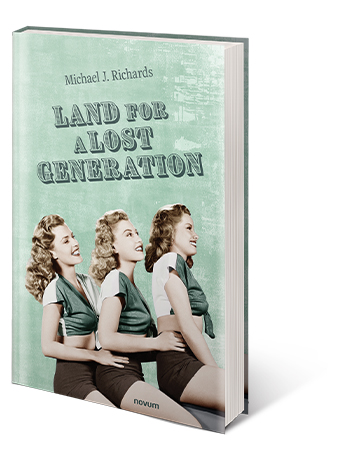
Land for a Lost Generation
Hardcover | 268 pages
ISBN 978-3-99130-208-7
GBP 22.90
ORDER NOW